When you’re driving through the scenic roads of Roseville, nothing beats the feeling of a smooth ride. However, if your vehicle starts to feel bumpy or hard to handle, your suspension system might be to blame.
In this guide, we’ll explore common suspension problems and explain how they affect your car’s ride quality. Plus, we’ll offer tips on what you can do to keep your journeys as smooth as possible.
Understanding the Suspension System
A car’s suspension system is a complex network that plays a crucial role in ensuring a smooth ride. It comprises several components such as springs, shock absorbers, and struts, all working together to absorb the bumps and jolts from the road. A well-functioning suspension not only contributes to comfort but also enhances the handling and safety of your vehicle.
The Role of Springs
Springs are essential for absorbing the energy from road impacts. They compress and expand to keep your vehicle balanced and stable. If a spring breaks or weakens, you might notice your car sagging or leaning to one side. This can lead to uneven tire wear, which is not just a performance issue but can also become a costly repair. Replacing springs can range from $150 to $500 per spring, depending on your vehicle’s make and model.
To avoid spring issues, ensure you maintain the correct tire pressure and avoid overloading your car, as excessive weight can strain the springs.
Shock Absorbers and Struts
Shock absorbers and struts dampen the oscillation of springs, preventing your car from bouncing excessively. Worn-out shocks or struts can lead to a rough ride and make the vehicle hard to control. Imagine driving over a speed bump and feeling like you’re on a roller coaster—that’s a sign your shocks might need attention. Replacing shocks and struts can cost between $200 and $1,500, but investing in quality components is crucial for safety and comfort.
Regular checks and keeping an eye out for fluid leaks near these parts can help you catch issues before they escalate.
Signs of Suspension Problems
Recognizing the signs of suspension issues early can save you from more severe problems down the road. Here are common symptoms to watch out for.
Uneven Tire Wear
If you notice your tires wearing unevenly, it could be a sign of suspension problems. This uneven wear happens because the suspension is not holding the tires evenly on the road. For instance, after a long road trip, you might find that the outer edges of your tires are more worn than the inner edges. Uneven tire wear can shorten the lifespan of your tires, leading to more frequent replacements and costs that can range from $400 to $1,000 for a new set.
Regularly rotating your tires and having your alignment checked can mitigate this issue.
Pulling to One Side
Does your car pull to one side when you’re driving straight? This might indicate alignment issues, often a result of suspension wear. Picture driving on a straight highway only to constantly correct the steering to stay in your lane. This not only affects driving comfort but can also become a safety hazard. An alignment service, which can cost between $75 and $200, will not only improve handling but also extend the life of your tires.
Rough Ride
A vehicle that bounces excessively or feels rough on smooth roads likely has compromised suspension components. This can make daily commutes uncomfortable and stressful. Addressing this issue promptly is crucial as a neglected suspension can lead to further damage to your vehicle’s undercarriage.
How Suspension Issues Affect Ride Quality
The suspension system is pivotal for maintaining ride comfort and vehicle control. Let’s explore how specific problems can impact your ride.
Decreased Comfort
Worn suspension parts can make even smooth roads feel bumpy. This discomfort is not only annoying but can also be tiring on long drives. Imagine driving on a road trip and feeling every small pebble and crack in the pavement, which can turn an enjoyable drive into a tiring ordeal.
Poor Handling
A faulty suspension affects your car’s handling, making it difficult to control, especially when cornering or driving in windy conditions. It compromises safety, putting you at risk on the road. Consider a scenario where you need to make a quick maneuver to avoid an obstacle; poor suspension could hinder your ability to do so safely.
Increased Stopping Distance
A bad suspension can increase your stopping distance, as it affects the tires’ grip on the road. This can be dangerous, particularly in emergency braking situations. A driver might find that their car doesn’t stop as quickly as expected, which can be a critical safety issue.
Causes of Suspension Problems
Understanding what causes suspension issues can help you prevent them. Here are some common causes.
Normal Wear and Tear
Over time, suspension components like springs, shocks, and struts wear out due to regular use. Regular maintenance checks can help catch these issues early. For instance, if you drive on rough terrain regularly, your suspension might wear out faster than usual.
Road Conditions
Driving on poor road conditions with potholes and bumps can accelerate the wear on your suspension system. Taking alternative routes with better roads can prolong the life of your suspension. Investing in a car with an adjustable suspension can also be a worthwhile consideration if you frequently encounter rough roads.
Overloading the Vehicle
Exceeding your vehicle’s weight capacity puts extra strain on the suspension, leading to premature wear and damage. Always check your vehicle’s load capacity and avoid carrying excessive weight.
Maintaining a Healthy Suspension System
Preventive maintenance is key to keeping your suspension in top shape. Here are some tips to maintain your suspension system.
Regular Inspections
Make it a habit to have your suspension system inspected during routine maintenance checks. Catching issues early can save you from costly repairs. A typical inspection might cost around $50 to $100, but can prevent more expensive work down the line.
Avoiding Rough Roads
Whenever possible, avoid rough or poorly maintained roads. If unavoidable, drive slowly to minimize impact on your suspension. This simple change in driving habits can significantly extend the life of your suspension components.
Load Management
Ensure you’re not overloading your vehicle. Distribute weight evenly and adhere to the manufacturer’s weight recommendations. This not only benefits the suspension but also improves fuel efficiency.
When to Seek Professional Help
While some minor suspension issues can be managed at home, others require professional attention. Here’s when to seek help.
Persistent Issues
If you’ve tried basic troubleshooting and the problem persists, it’s time to consult a professional. Ignoring problems can lead to more significant issues down the line. For example, a slight vibration might seem minor but could indicate a deeper suspension issue needing expert intervention.
Safety Concerns
If you feel unsafe driving your vehicle due to handling issues, do not wait. Contact a professional for a comprehensive inspection. Safety should always be the top priority, and addressing these concerns promptly can prevent accidents.
Annual Checks
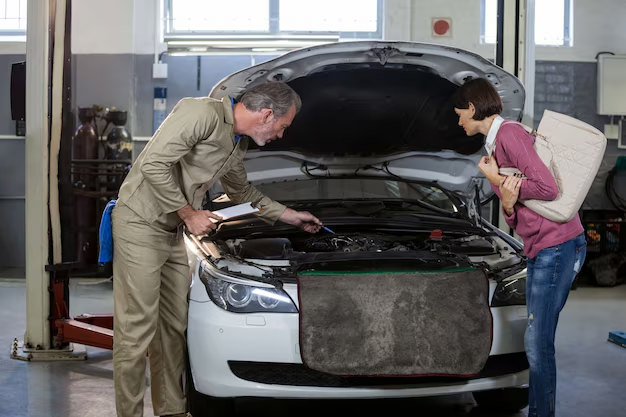
Even if your vehicle seems fine, annual suspension checks can prevent unexpected problems. Professionals can spot issues that might not be apparent to the untrained eye, ensuring your car remains in peak condition.
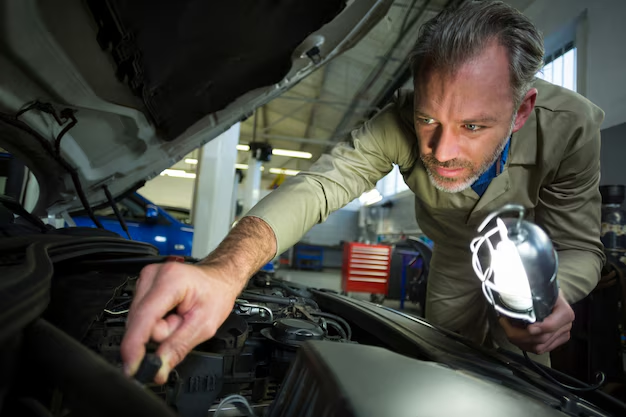
At Honest Engine of Roseville, we specialize in suspension repair and can help restore the smooth ride you deserve. Visit us at 112 Riverside Ave, Roseville, CA, for all your vehicle maintenance needs. Let us ensure your car is safe and comfortable for every journey.